Research Station’s Legacy Too Important to Lose
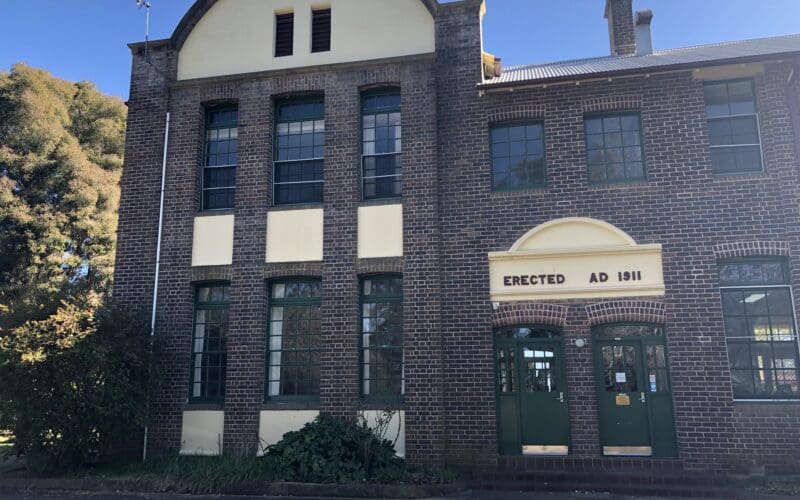
For more than a century, the Glen Innes Agricultural Research Station has played a quiet but vital role in shaping the success of Glen Innes and the wider New England region, with impacts felt across Australia and beyond.
Established under the former NSW Department of Agriculture, the Station delivered practical, locally relevant research that helped farmers overcome the unique challenges of the Northern Tablelands. Early graziers battled severe frosts, unreliable pastures and uncertain productivity. Through careful scientific work, the Station identified pasture species suited to the cold climate and developed grazing systems that helped transform the district into one of Australia’s premier fine wool, prime lamb and beef cattle regions.
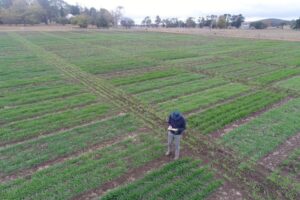 Over the decades, its research extended far beyond pastures. Work was carried out on fruit and vegetables, pyrethrum, maize and cereals, potatoes, crop and pasture rotations, wether trials, embryo transfer, dairying and even pig production. These advances strengthened farm productivity and profitability, supporting local businesses, jobs and the broader community. The prosperity of Glen Innes has always been closely tied to the strength of its agricultural base, and research has been central to that strength.
Yet today, despite its remarkable legacy, the Station operates with only a single researcher on site. At a time when agriculture faces growing pressures from climate variability, soil health decline and changing markets, this lack of investment raises serious concerns.
Local research matters because local conditions matter. Solutions developed elsewhere cannot always be applied successfully here. The Station ensures innovations are tested under the exact conditions our farmers face. Without adequate funding and staff, that essential work simply cannot continue.
The foresight shown in establishing the Station more than 100 years ago continues to benefit the community today. It remains a valuable asset—but for how long?
Reinvesting in the Glen Innes Agricultural Research Station is not just about supporting farmers. It is about strengthening the local economy, sustaining rural communities and helping secure Australia’s ability to produce safe, affordable food and valuable agricultural exports.
Continued support for agricultural research is an investment in the future of Glen Innes itself.