by Glen Innes Veterinary Hospital
The Christmas season brings celebrations, family gatherings and plenty of festive food —
but many of the treats we enjoy at this time of year can be dangerous, even life-
threatening, for pets. A little caution can help ensure a safe and happy holiday for the
whole family, including your four-legged members.
Fatty Foods and Pancreatitis
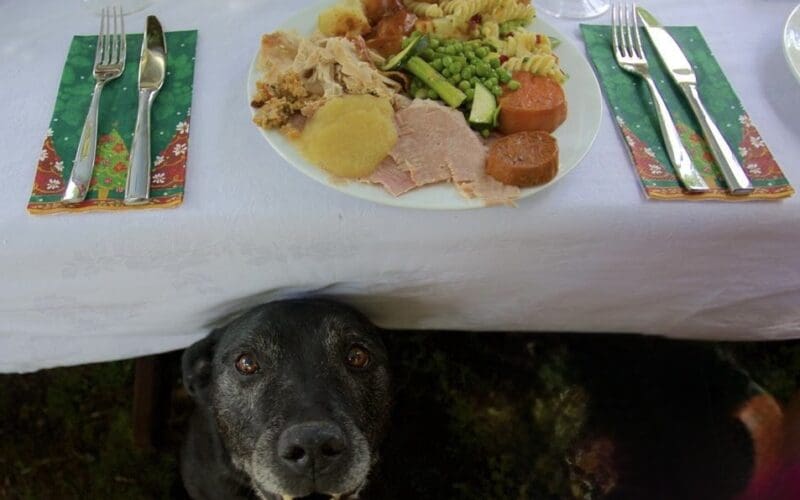
Foods such as ham, gravy, poultry skin and fatty off-cuts may seem like harmless scraps,
but they can trigger severe gastrointestinal upset in both dogs and cats.
Of particular concern is pancreatitis, a painful and potentially life-threatening inflammation
of the pancreas. Signs can include vomiting, diarrhoea, lethargy and depression. Because
these symptoms overlap with gastroenteritis, any dog or cat showing these signs —
especially after eating rich foods — should be seen by a veterinarian promptly.
Chocolate and Nut Toxicity
Chocolate contains theobromine, a stimulant that pets cannot safely process. Ingestion
can cause vomiting, diarrhoea, restlessness, hyperactivity, increased thirst and urination,
muscle tremors, seizures and even fatal heart failure. Symptoms can appear within 12
hours and worsen over 12–36 hours.
Nuts, especially macadamias, also pose a serious risk. As few as six nuts can cause
vomiting, abdominal pain, pale gums, stiffness, weakness, tremors and difficulty walking.
Other Foods to Avoid
• Grapes and raisins – Can cause kidney failure and irreversible kidney damage.
• Onions and garlic – Contain thiosulphate, which dogs and cats cannot digest. This can
destroy red blood cells, leading to anaemia and breathing difficulties.
• Alcohol – Even small amounts can be fatal to pets. Signs include vomiting, wobbliness,
reduced breathing rate and seizures, often within 30–60 minutes of ingestion.
• Mouldy or spoiled food – Leftovers can harbour toxins that cause severe neurological
signs such as seizures and convulsions.
Decorations and Foreign Bodies
Tinsel, baubles, wrapping materials, small toys and bones can all pose choking and
intestinal obstruction risks, especially for curious young animals. Blockages may occur in
the oesophagus, stomach or intestines.
Watch for signs such as reduced appetite, vomiting, excessive drooling, depression,
constipation, straining, diarrhoea or blood in the stool. Preventing access to decorations
and small objects is one of the simplest ways to avoid emergency surgery over Christmas.
A Safe and Happy Holiday
While it’s impossible to protect pets from every hazard, simple precautions — such as
keeping unsafe foods out of reach and supervising pets around decorations — can help
ensure a safe, peaceful holiday season.
Holiday Hours & Emergency Care
The Glen Innes Veterinary Hospital will be closed on public holidays over Christmas and New Year.
For after-hours emergencies, the on-call veterinarian can be contacted via our 24/7
Vet Nurse Triage Service on 02 6732 1988.