A motion submitted by Glen Innes Severn Council has been successfully adopted by the Australian Local Government Association’s National General Assembly in Canberra, securing national support for the development of Australia’s emerging biochar and circular carbon industries.
The motion calls on the Australian Government to implement and resource the Australian Biochar Industry 2030 Roadmap and work with state, territory and local governments to establish nationally consistent regulations, markets and funding pathways for biochar and other circular-carbon products derived from organic waste.
The adopted resolution seeks to reduce landfill volumes and methane emissions while creating new regional economic opportunities through the conversion of organic waste into valuable carbon products. It also supports the development of consistent regulatory definitions, improved procurement guidance, recognition of biochar as distinct from waste incineration, and the progression of carbon credit methodologies for carbon-negative biochar production.
Glen Innes Severn Council argued that regional councils are facing increasing waste management costs, declining landfill capacity and growing pressure to reduce emissions. Organic waste remains one of the largest contributors to landfill methane emissions across Australia.
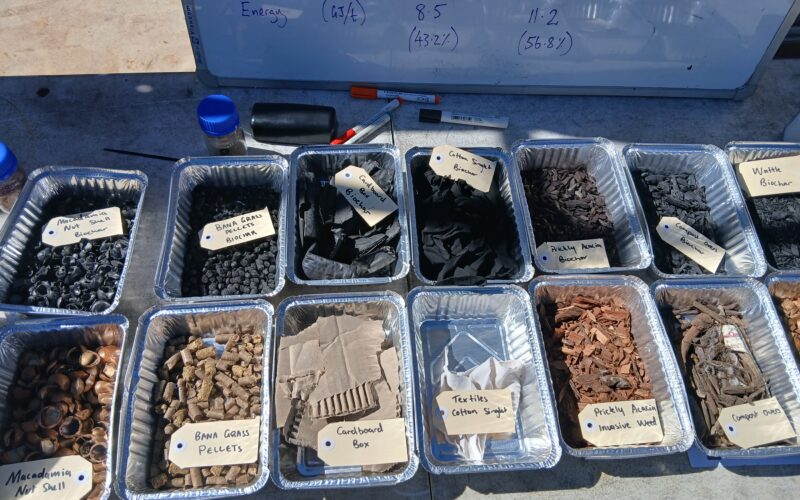
The motion highlights biochar as an evidence-based solution that can convert organic waste streams into products that provide long-term carbon storage, improve soil health and support regional jobs. The resolution also recognises the need to clearly distinguish biochar production through controlled thermal processes such as pyrolysis from traditional energy-from-waste incineration.
The National General Assembly’s endorsement sends a strong message to the Australian Government that local councils see significant potential in circular economy solutions that transform waste liabilities into economic and environmental assets.
For regional communities such as Glen Innes, the resolution represents an opportunity to position rural Australia at the forefront of emerging carbon, waste recovery and sustainable manufacturing industries while helping councils meet their waste reduction and climate objectives.