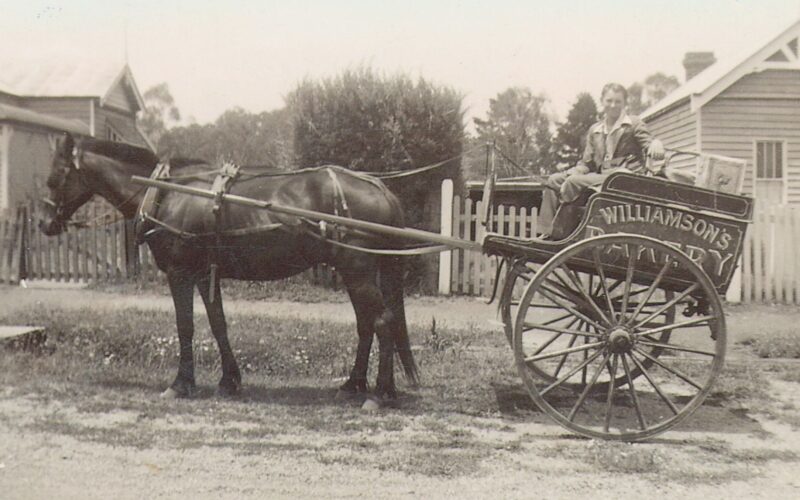
Matthew and Catherine Williamson bought the IXL Bakery from Frank Willis the day World War 1 was declared and sold it the day the end of hostilities was announced. As well as the usual locals, Williamsons had a huge clientele to supply - the army camp at the Golf links, the Agricultural Experimental Farm and the Prison Farm. Catherine remembered the drawn-out process: “Bread was made by hand by placing large bags of flour, yeast and other ingredients in wooden troughs and when mixed, left to rise for several hours. Then it was kneaded on top of the trough, and…
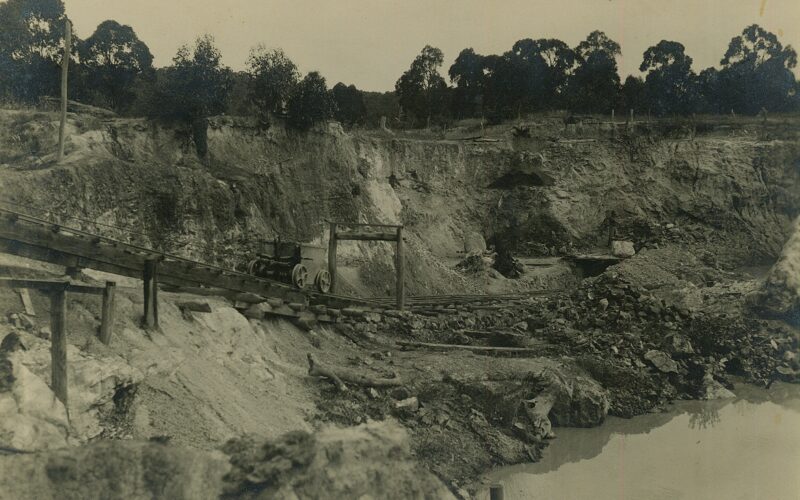
The original brickworks in Glen Innes were started by John Falconer Willis and W Newman in about 1872 at Bell Rock, on what was formerly known as the Common, where they quarried with shovels, and pugged and moulded the bricks by hand. ‘Commons’ on the outskirts of towns were originally set aside in the 19th and 20th centuries so that people who lived in a town had somewhere to graze their stock -mostly milking cows, and horses for transport. It is great news that the New England Heritage Traction Club Inc has been appointed Crown Land Managers of the Heritage…
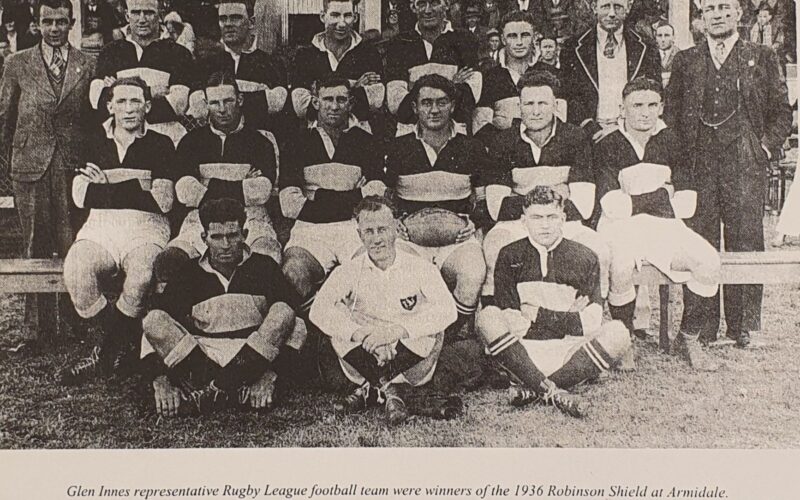
With permission I quote from an article John Hamilton wrote about Reg O’Keefe in The Glen Innes Examiner 15 March 1990. ‘Reg O’Keefe strode over the league scene like a Colossus in a career which spanned 27 seasons and saw Reg pull on his boots for an incredible 578 A grade matches. The stories of his heroic deeds on the football fields of the New England area number almost as many as the games he played. Reg’s 6ft frame carried almost 15 stone of great strength. Perhaps the fact that he was at his peak during the height of the…
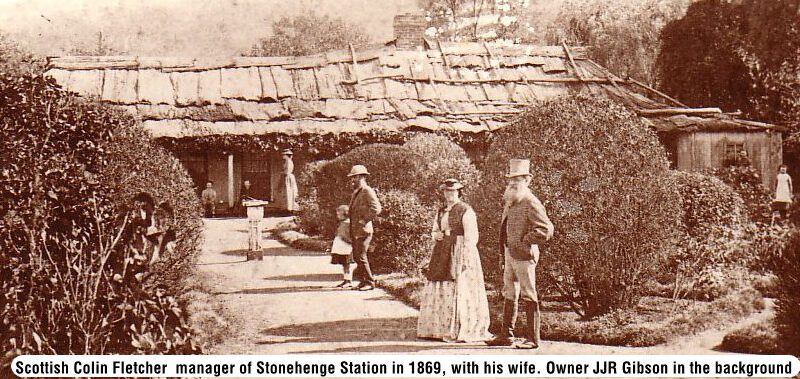
Many of our early Scottish immigrants settled on the land, as seen in ‘Scottish Pioneers of the Glen Innes District’ published in 1996. Abounds with names such as Dundee, Glen Elgin, Ben Lomond, Glencoe… The crossing of the Blue Mountains in 1813 had encouraged other explorers and their reports were widely read. The Government formed the 19 Counties - from the town of Bathurst, round Sydney and round the Coal River now known as the Hunter in order to keep a protective eye on new settlers (and also there were few surveyors.) It was an offence to take up land…
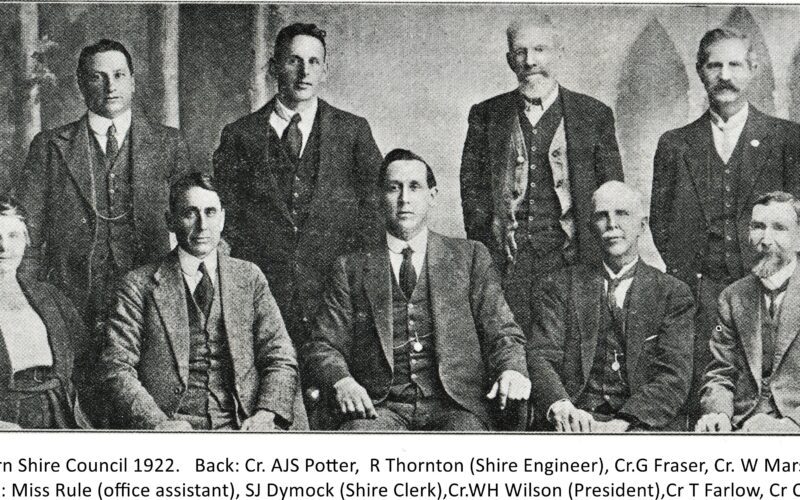
The former Severn Shire offices in Bourke Street are soon to be occupied by a School of Arts and Music. How many people would know the name Severn is very significant in our history and goes back even further than the name of the town? Oswald Bloxsome took up Rangers Valley in 1838 and named the river running through his New England property after the River Severn (pronounced Seven) which passed through his former property in Shropshire. It is the longest river in the UK and rises in the Cambrian mountains in Wales. EC Sommerlad wrote in ‘The Land of…
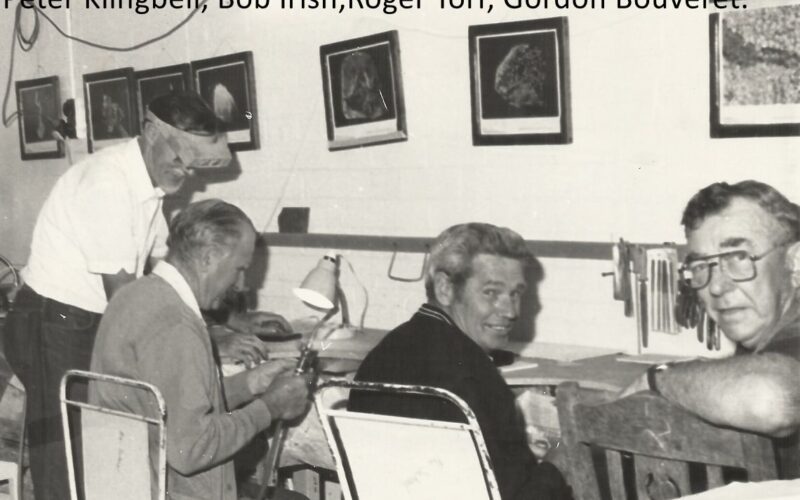
Our Local History: Wealth Under Our Feet. ‘Nowhere else in the whole of Australia can so wide a range of minerals and precious stones be found as in New England. Within a 50-mile (81 kms) radius of the town of Glen Innes exists an amazing extent of mineral wealth …’ wrote EC Sommerlad in the 1922 history ‘The Land of the Beardies’. Emeralds, Sapphire, Topaz, Ruby, Garnets, Zircon, Silver, Gold, Tin, Molybdenite, Bismuth, Tungsten, Wolfram, Quartz crystals, & more … even Arsenic! Researching miner’s lives can be exceedingly difficult - often they didn’t stay around long enough to get on…
How will our generation and those of the future be documented? What records will be available and searchable? Family Trees basically are sketches of the trunk and branches bearing names and dates of births, marriages and deaths of generations of families, and Family History, the details -the who, what, where, when, why and how. Family Trees may be formatted horizontally, vertically, or in the round; using online programmes, own calligraphy, or even embroidered. One talented seamstress embroidered a large tree, with the family names depicted on apples. It was easily brought up to date - when a son-in-law strayed, she…
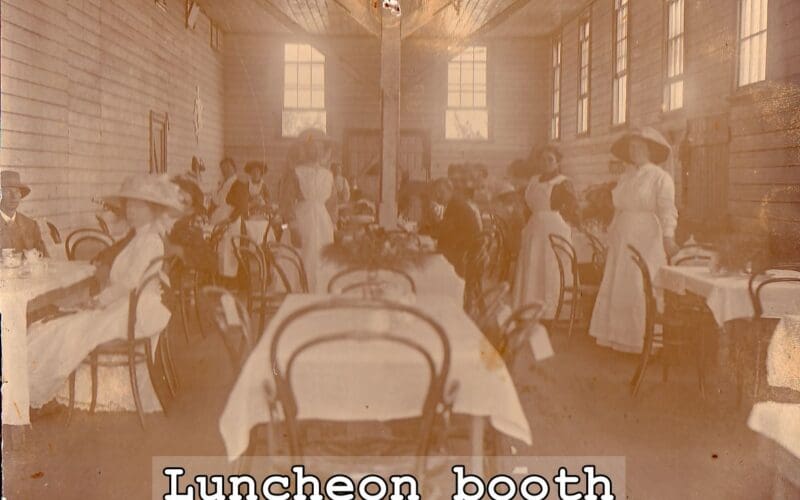
From snippets sourced from the 1926 Glen Innes Examiner the Show was very different 100 years ago. ‘In Glen Innes shows have been held almost continuously since 1870, when in conjunction with Inverell the first carnival took place on the recreation ground at the back of the present Intermediate High School (now the Public School) -and the only shelter was that provided by tarpaulins. Shows were held alternately at Inverell and Glen Innes until 1877. Since then, the show society has acquired a ground of its own on which it has placed costly improvements while its operations have grown until…
Hard to do justice to these exceptional women in a short article. When information technology mainly consisted of chalk, blackboard, film strips and a radio, it was reported in 1968 … “Every teacher who came to Glen Innes from another centre said the local school was the best equipped in which they had worked.” Dot and Nan Mellings, the daughters of William & Edith Mellings were two of our local representative sports women and acclaimed school teachers working at that time. Living on an isolated farm at Pinkett they were originally home-schooled, but later able to attend the High School…
Are you keeping a diary this year? Archibald Windeyer’s Deepwater Diary is a stark reminder of our early history - when bullock wagons travelling about 12 miles a day were the transport. Archibald and his family had sailed from Plymouth, landing in Sydney on 11th December 1838. ‘On 20th December 1838. William Collins left Sydney to take up property in New England having taken the steam boat to Williams River (i.e. Morpeth the head of navigation.) 13th July 1839. Collins returned from New England Sheep Station for supplies, another dray and bullocks, plough, harrows, seed etc., and to take up…